Restore your health,
Reclaim your life.

Restore Your health. Reclaim Your Life.
Where cutting-edge neurotherapy meets the serenity of a world-class wellness retreat.

You may not have been
given the right options yet

ANAVA specialises in conditions where conventional approaches have not provided adequate relief. Select a condition to learn more.

Treatment-Resistant Depression

When two or more antidepressants have not provided relief, neurotherapy may open a pathway forward.

TMS and tDCS have demonstrated meaningful efficacy in patients with treatment-resistant depression, working directly at the neural circuits involved in mood regulation — without systemic side effects. Clinical outcomes show significant improvement in a majority of patients who have not responded to pharmacotherapy alone.

Learn more

Chronic Pain Management

Persistent pain that standard treatments haven't relieved may respond to targeted neuromodulation.

Chronic pain often involves central sensitisation — the brain's pain-processing networks become dysregulated over time. ANAVA's neurotherapy protocols target these networks directly, modulating pain perception at its neurological source rather than masking symptoms with medication.

Learn more

Stroke Recovery

Enhancing neuroplasticity after stroke to support motor, speech, and cognitive rehabilitation.

Post-stroke rehabilitation benefits significantly from neuroplasticity enhancement. TMS and TPS can be used alongside physiotherapy to stimulate underactive brain regions, accelerate neural reorganisation, and improve functional recovery in motor, speech, and cognitive domains.

Learn more

Neurological Rehabilitation

Supporting recovery and function in conditions including Parkinson's, TBI, and motor disorders.

Neurological conditions affecting movement, cognition, and daily function may benefit from carefully targeted neuromodulation. ANAVA's protocols are built around individual assessments, combining brain stimulation with evidence-based rehabilitation to support meaningful functional gains.

Learn more

Anxiety Disorders

For anxiety that persists despite medication and therapy, targeted neuromodulation offers a new dimension of treatment.

Anxiety involves dysregulation in specific neural circuits — particularly those governing threat response and emotional processing. Neurotherapy can modulate these networks, reducing the overactivation that underlies chronic anxiety, often as an adjunct to existing psychological care.

Learn more

PTSD & Trauma

Where trauma continues to hold patterns in the body and brain, neurotherapy can support integration and recovery.

PTSD involves persistent neurological changes in memory consolidation, emotional regulation, and threat processing. Neuromodulation approaches, used alongside trauma-informed psychological support, may help recalibrate these patterns and reduce the burden of intrusive symptoms.

Learn more

A journey built
around you

No two patients arrive with the same history. Your ANAVA journey begins with understanding yours — and builds from there, carefully and without rush.

Assessment

A comprehensive consultation with our clinical team to understand your history, current condition, and treatment goals.

Personalised Planning

A bespoke neurotherapy protocol is designed specifically for you — no templates, no shortcuts.

Therapy Sessions

Comfortable, non-invasive sessions in our calm clinic environment. Most patients read, relax, or listen to music throughout.

Progress Tracking

Regular assessments allow us to adapt your protocol in real time, responding to how your brain is responding.

Renewed Possibility

Our goal is not treatment completion — it's meaningful, lasting change in how you experience your life.

Evidence-based neurotherapy,
delivered with precision

ANAVA offers three core brain stimulation modalities, selected and combined based on each patient's individual profile and clinical needs.

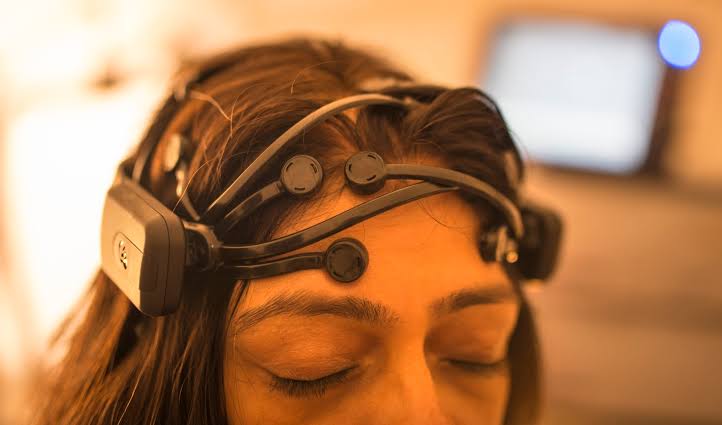
tDCS — transcranial direct current stimulation neural imagery
Brain Stimulation

Transcranial Direct Current Stimulation

tDCS

A gentle, low-level electrical current modulates neuronal excitability in targeted brain regions. Safe, silent, and typically experienced as a mild tingling sensation.

  • Depression & mood disorders
  • Chronic pain modulation
  • Cognitive enhancement in rehabilitation
Learn more about tDCS
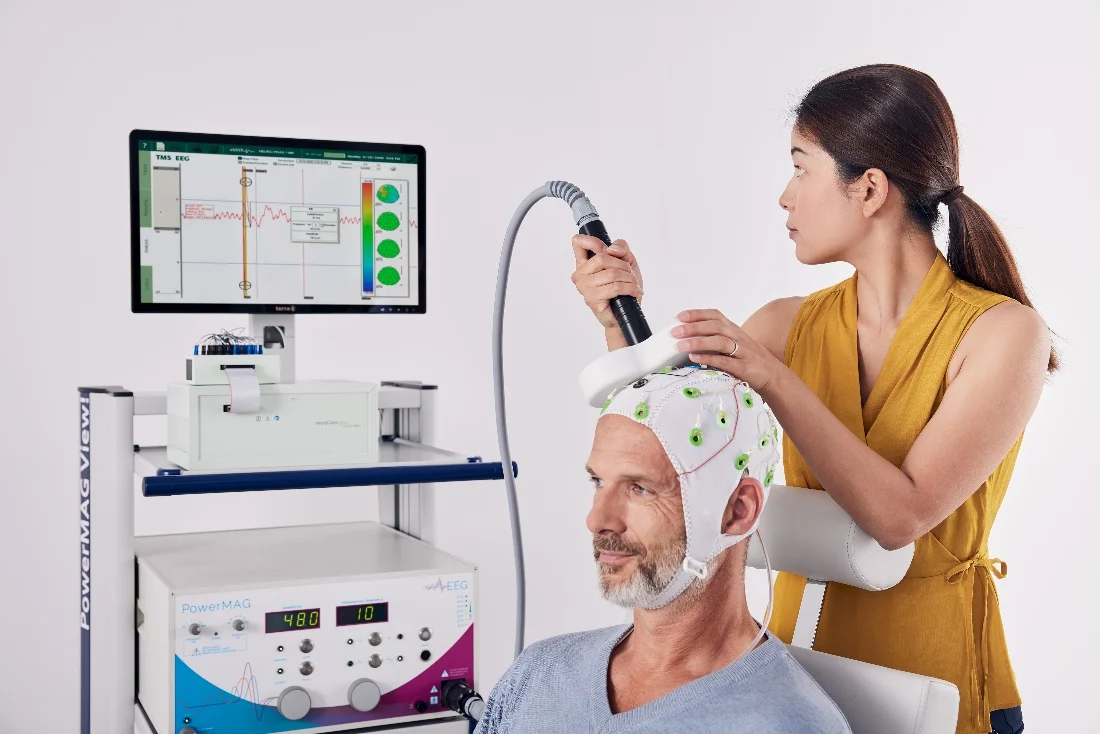
TMS — transcranial magnetic stimulation brain scan imagery
Gold Standard

Transcranial Magnetic Stimulation

TMS

Magnetic pulses stimulate specific cortical regions with established, peer-reviewed protocols. TMS has regulatory approval for depression in multiple countries and carries an exceptional safety profile.

  • FDA-cleared for treatment-resistant depression
  • Anxiety and OCD protocols
  • Neurological rehabilitation support
Learn more about TMS
TPS — transcranial pulse stimulation ultrasound therapy
Emerging Therapy

Transcranial Pulse Stimulation

TPS

An advanced ultrasound-based therapy capable of reaching deep brain structures. Particularly promising in neurological rehabilitation and Alzheimer's research, TPS represents the frontier of non-invasive neuromodulation.

  • Deep neurological structures
  • Neurological rehabilitation
  • Cognitive decline support
Learn more about TPS

A different kind
of care

From your first conversation to your final session, every touchpoint is designed to make you feel heard, informed, and safe.

You arrive

Our clinics are designed to feel nothing like a waiting room. Natural materials, soft light, and unhurried space. You are not a number in a queue.

Calm, beautifully designed clinic reception with natural materials and soft lighting

You are heard

Your consultation is unhurried and comprehensive. We want to understand your history — not just your diagnosis. What have you tried? What mattered? What didn't?

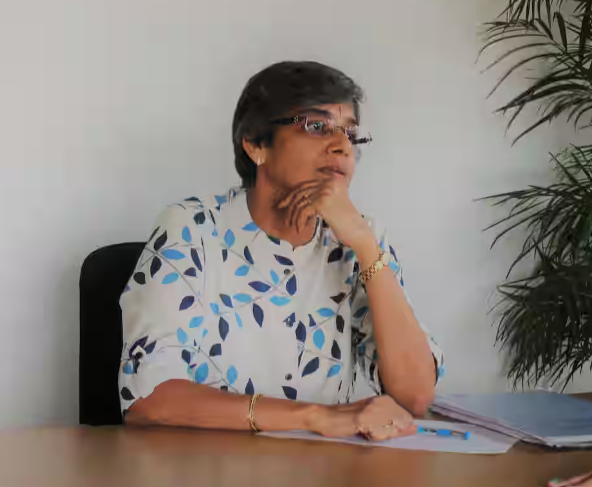
Clinician listening attentively to a patient during an unhurried consultation

You understand your options

We explain your neurotherapy options clearly, honestly, and without pressure. What the evidence shows. What it doesn't. What we think might help you, and why.

Patient and clinician reviewing neurotherapy treatment options together

You begin treatment

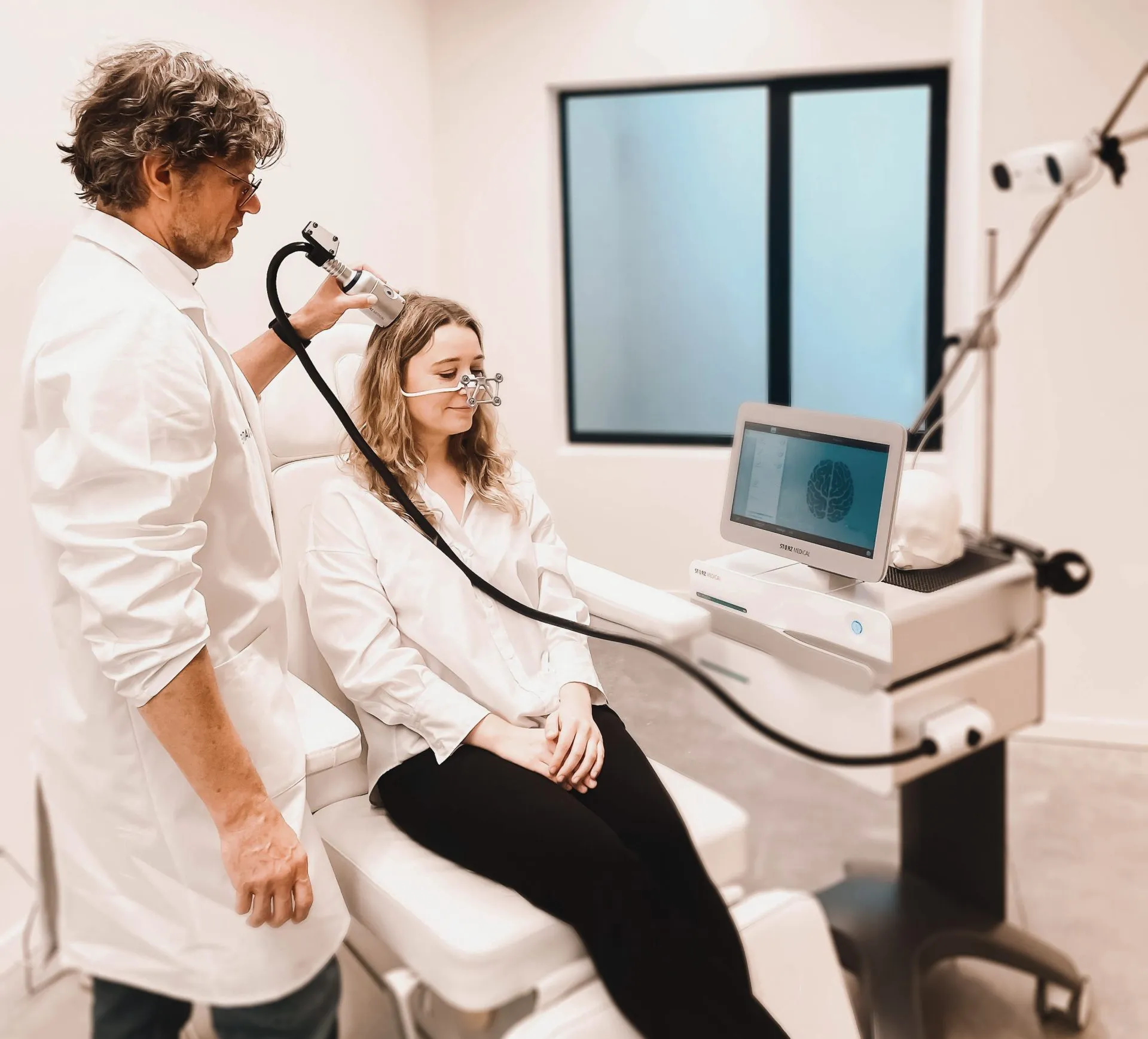
Sessions are comfortable and quiet. Most patients relax, read, or listen to music throughout. A clinician is always present. There is no discomfort to endure.

Patient relaxing during a non-invasive neurotherapy treatment session

You reclaim possibility

Progress is tracked carefully. Protocols are adjusted. And when treatment ends, we don't simply discharge you — we plan for continuity, maintenance, and what comes next.

Person experiencing renewed sense of peace and possibility following neurotherapy

Grounded in science.
Honest about what it means.

We believe patients deserve accurate information — not inflated claims. Here is what the research and our own clinical experience indicates.

68%

Response rate in treatment-resistant depression (TMS)

Based on published meta-analyses. Individual results vary. Not all patients will respond.

10,000+

Peer-reviewed studies on brain stimulation therapies

A growing body of evidence across neurological and psychiatric conditions.

100%

Non-invasive — no anaesthesia, no surgery, no downtime

Patients walk in and walk out. Most can drive themselves home and return to work the same day.

ANAVA does not guarantee outcomes. Neurotherapy is not suitable for every patient, and individual results vary significantly. All clinical claims are based on published research and do not constitute a promise of results. Your suitability will be assessed carefully during an initial consultation.

Real people. Real journeys.

These are the kinds of stories we are privileged to be part of. Names changed to protect patient privacy.

After three years of trying different antidepressants, I had started to believe that nothing would work for me. ANAVA was the first place that didn't make me feel like a hopeless case. After eight weeks of TMS, I feel more like myself than I have in years.

Priya, 34 Treatment-resistant depression

I had chronic back pain for seven years. Surgery wasn't an option, and painkillers were affecting every part of my life. The team at ANAVA explained everything without overselling it — and after six weeks of treatment, I'm functioning in a way I'd genuinely given up on.

Rajan, 52 Chronic pain

My mother had a stroke eighteen months ago. Her physiotherapist recommended we look into TMS to support her rehabilitation. The improvement in her speech and left-side movement has been remarkable — beyond what anyone initially expected.

Anita, caregiver Stroke recovery

Where you can find us

Currently operating in Pune and Mumbai, with further locations planned across India and Europe.

ANAVA Clinics Pune — calm, premium neurotherapy clinic interior
Open Now

Anava Clinics Magarpatta

Pune, Maharashtra
[Address to be confirmed], Pune 411 001
+91 [Phone number to follow]
Monday – Saturday, 8:00am – 6:00pm
ANAVA Clinics Mumbai — modern premium clinic space opening 2026
Opening Soon

Anava Clinics Kharadi

Mumbai, Maharashtra
[Address to be confirmed], Mumbai 400 001
Register interest to be notified on opening
Opening Q4 2026

We believe you deserve
honest answers

If your question isn't here, please speak with our team directly.

Yes. tDCS, TMS, and TPS are all non-invasive therapies with extensive safety data. TMS has been in clinical use for over 30 years and has regulatory approval in numerous countries for the treatment of depression. Side effects are typically mild and transient — most commonly a slight scalp tingling or temporary headache. All sessions are conducted under clinical supervision.
No. These therapies are designed to be comfortable. tDCS produces a mild tingling or warmth at the scalp during sessions. TMS produces a gentle tapping sensation. TPS is delivered via an ultrasound probe with a cool gel. Most patients read, listen to music, or simply relax during treatment.
Each therapy session lasts between 20 and 40 minutes. A standard course of TMS for depression typically involves daily sessions over 4–6 weeks. Some patients see benefit sooner; others require longer protocols. Your clinical team will design a programme tailored specifically to your condition and goals, and will adjust it as your response develops.
Suitability depends on your specific condition, medical history, and treatment goals. We assess each patient carefully before recommending any therapy. There are certain contraindications — such as metallic implants in or near the head for TMS — which our clinical team will review during your initial consultation. The best way to find out if ANAVA can help is to book a consultation.
ANAVA was specifically built for patients who feel they have exhausted their options. Neurotherapy works through entirely different mechanisms than medication — it acts directly on neural circuits rather than through systemic chemistry. Many patients who have not responded to multiple medications have achieved meaningful improvement through brain stimulation therapies. We cannot promise this will be the case for everyone, but we will assess your situation honestly and discuss realistic expectations from the outset.
No formal referral is required to book an initial consultation. However, we strongly recommend that your treatment at ANAVA is coordinated with your existing healthcare providers wherever possible. We are happy to liaise with your GP, psychiatrist, or neurologist directly. Neurotherapy works best as part of a comprehensive care approach, not in isolation.

You don't have to keep
searching alone.

Explore whether non-invasive neurotherapy could be the next step in your journey. Our team will listen without judgement, assess without pressure, and answer every question honestly.

Confidential  ·  No obligation  ·  Pune & Mumbai