Our therapies
Evidence-based neurotherapy,
delivered with precision
Three distinct modalities, selected based on your individual clinical profile. All non-invasive. All supervised. All evidence-informed.
Safety & approach
What makes neurotherapy different
Unlike medication, which acts systemically through body chemistry, neurotherapy works directly at the level of neural circuits. It does not require anaesthesia, does not produce systemic side effects, and does not interact with most medications.
Non-invasive
No needles, no surgery, no anaesthesia required.
No downtime
Most patients return to work and daily life immediately after sessions.
Supervised
A qualified clinician is present throughout every session.
Evidence-based
Protocols drawn from peer-reviewed research and clinical evidence.
Brain stimulation
tDCS — Transcranial
Direct Current Stimulation
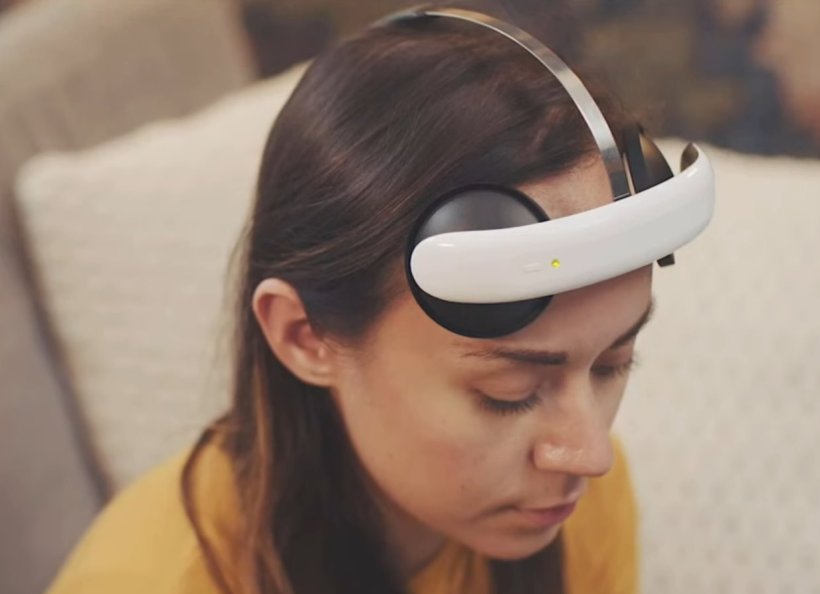
A gentle, low-amplitude electrical current — smaller than you would feel from a standard battery — is delivered through electrodes placed on the scalp. This modulates the excitability of specific neuronal populations, enhancing or reducing their firing rate depending on the parameters used.
Sessions typically last 20–30 minutes. The most commonly reported sensation is a mild tingling or warmth under the electrodes, which fades quickly. Most patients find it entirely comfortable.
May help with
- Depression and mood dysregulation
- Chronic pain modulation
- Cognitive rehabilitation support
- Anxiety symptom reduction
Gold standard
TMS — Transcranial
Magnetic Stimulation
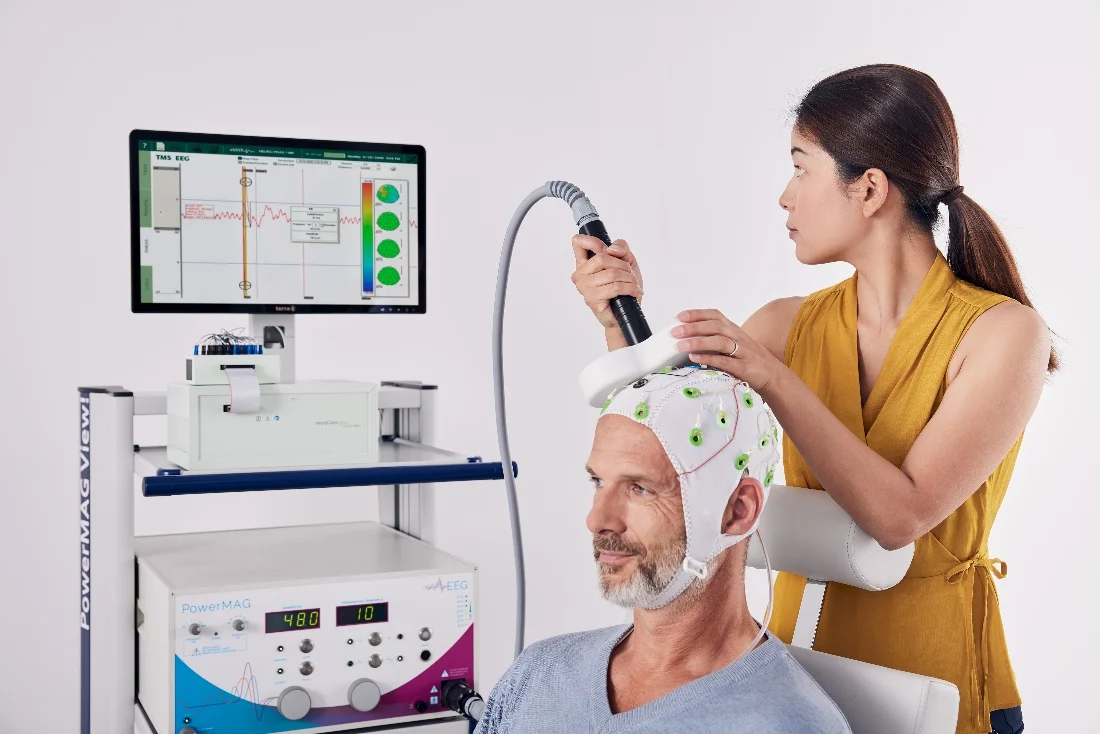
A magnetic coil placed on the scalp delivers brief, focused magnetic pulses to stimulate specific cortical regions. TMS has over 30 years of clinical use and regulatory approval for depression in the United States, Europe, and multiple other jurisdictions.
During a session, patients typically experience a gentle tapping or clicking sensation. Sessions last 20–40 minutes. A standard course involves daily sessions over 4–6 weeks, though accelerated protocols are also available.
May help with
- Treatment-resistant depression (evidence strongest)
- OCD and anxiety disorders
- Post-stroke motor recovery
- Tinnitus and chronic pain
Emerging therapy
TPS — Transcranial
Pulse Stimulation
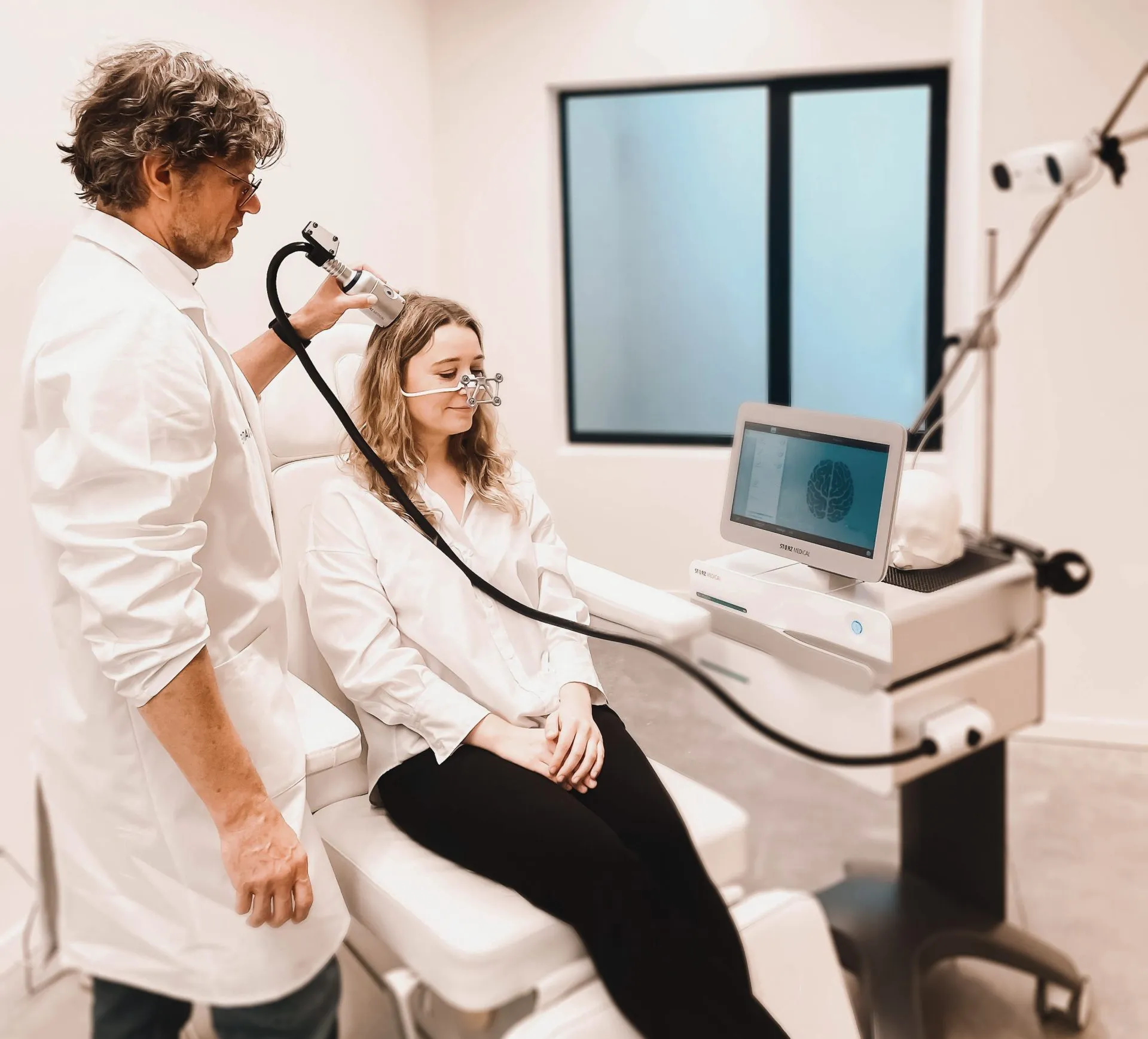
An innovative ultrasound-based therapy that can reach deeper brain structures than magnetic or electrical stimulation. TPS delivers focused low-intensity ultrasound pulses through the skull, promoting neuroplasticity and potentially influencing circuits previously inaccessible to non-invasive methods.
Delivered via a handheld probe with ultrasound gel, sessions are quiet and comfortable — similar to a physiotherapy ultrasound in sensation. Research into TPS is active and growing, particularly in neurological rehabilitation and cognitive decline.
TPS is an emerging therapy with promising early evidence. Our team will discuss current research and appropriate expectations during your consultation.
Not sure which therapy
is right for you?
Our clinical team assesses each patient individually. The right therapy depends on your specific condition, history, and goals — and we'll help you understand your options clearly and honestly.